The number on every fumed silica datasheet, 220 +- 25 m2/g m2/g for AEROSIL R 812 S, describes an amount of surface that is hard to picture: spread as a single layer, one gram of this powder would cover a football field. Every practical property of the grade, from thickening efficiency to adsorption capacity to moisture sensitivity, follows from this surface-to-mass ratio and from the hydrophobic after-treatment that caps it.
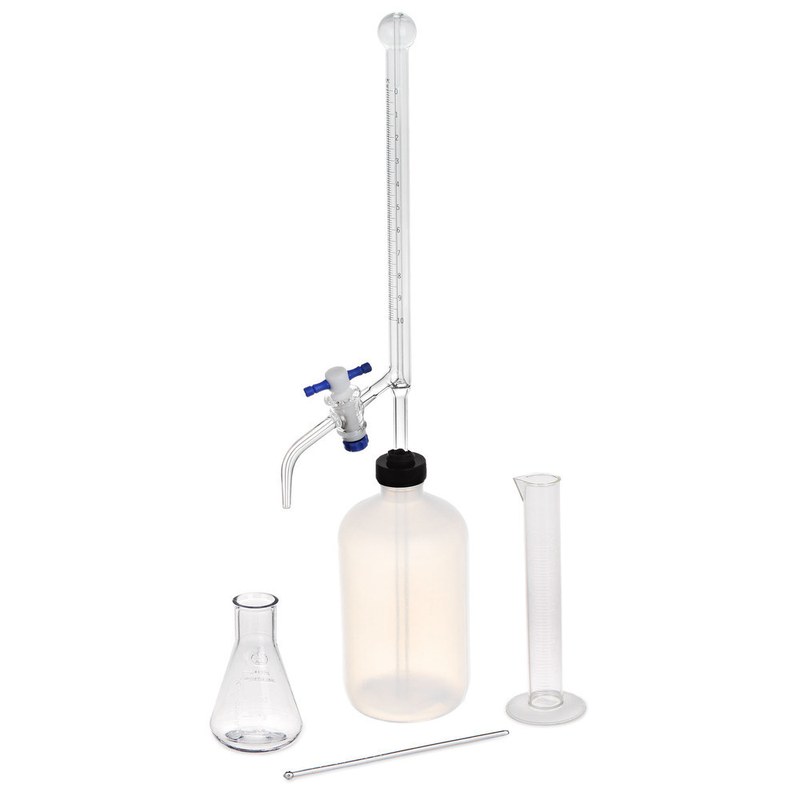
Surface area drives thickening efficiency. A grade at 220 +- 25 m2/g m2/g builds more hydrogen-bonding or organically mediated network per gram than a lower-surface powder, so less material achieves the same viscosity target. The price of that efficiency is dispersion work: finer aggregates need more shear and more time to separate, which is why AEROSIL R 812 S rewards a well-designed incorporation step.
Surface chemistry decides what the surface does. AEROSIL R 812 S carries hydrophobic after-treatment, so its silanol groups interact with polar phases, or its organically modified surface repels them. Formulators should read the carbon content, pH and surface area of AEROSIL R 812 S together: the trio explains moisture uptake, dispersion behaviour and rheology strength far better than any single value.
Finally, surface area explains packaging and storage. With 220 +- 25 m2/g m2/g of active surface, AEROSIL R 812 S adsorbs ambient moisture and volatile substances readily, which is why sealed, dry storage in the original packaging is specified and the material carries a 24-month use-by date from production. Powder older than that is simply tested for moisture before use.
Tell us which AEROSIL grade, application and volume you are working with, and we will come back with grade availability, packaging options and commercial terms. Samples and technical documentation support every inquiry before you commit to a purchase order.